Most people do not regret getting headshots. They regret getting a headshot session that was built like a commodity: show up, take a few photos, receive a gallery, pick one, done.
That approach can produce a “usable” image. It rarely produces the kind of image that consistently builds trust, supports your positioning, and works across LinkedIn, websites, internal directories, press pages, and marketing.
A professional headshot session is not just time in front of a camera. It is a guided process designed to deliver a predictable result.
This post breaks down what a headshot session should include, what is commonly missing, and how to evaluate a session before you book.
The Real Product Is Not the Photo. It Is Repeatable Confidence.
The best headshot sessions do two things:
1. They create a set of images that align with your role and audience.
2. They remove uncertainty—about wardrobe, expression, posing, and selection.
If a photographer cannot clearly explain the process, the outcome becomes luck. The goal is never luck.
The 10 Components a High-Quality Headshot Session Should Include
1) A clear purpose conversation (usage + audience + positioning)
Before a camera comes out, you should answer:
- Where will these images be used? (LinkedIn, website, speaking, press, internal directory)
- Who is your audience? (hiring manager, client, executive leadership, casting director)
- What must the viewer feel? (trust, confidence, warmth, authority, competence)
This conversation determines everything that follows: lighting style, background choice, wardrobe formality, and expression direction.
What’s usually missing: photographers jump straight to aesthetics (“What background do you want?”) instead of strategy (“What role are we communicating?”)
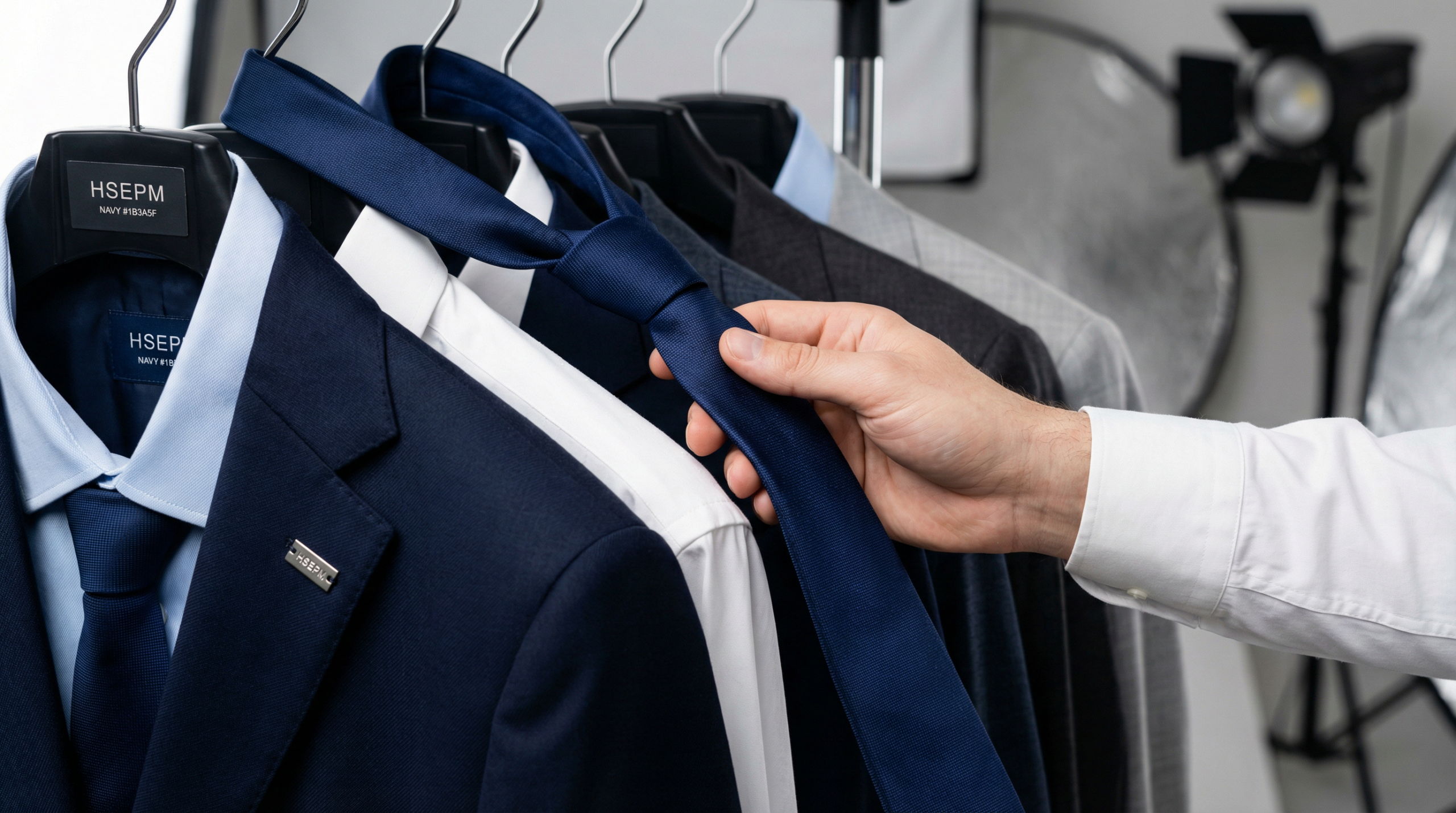
2) A wardrobe plan (not just “bring options”)
A professional session should include guidance that helps you choose outfits that work on camera and match your industry. At minimum, you should receive:
- Color guidance (what reads clean on camera)
- Pattern guidance (what creates moiré or distraction)
- Neckline guidance (what shapes the face and frame)
- “Safe look” vs “brand look” recommendations
What’s usually missing: clients arrive with five outfits but no plan. Then they either choose the wrong one, waste time, or end up with images that do not match their goals.
3) Basic grooming and prep guidance (timing matters)
A session should include practical prep, such as:
- Shaving/beard trimming timing
- Haircut timing (and how to avoid “fresh cut” surprises)
- Skin prep and shine control
- Makeup guidance for camera (not stage, not everyday)
- Sleep/hydration reminders that actually affect results
What’s usually missing: clients treat headshots like a quick errand, then wonder why they look tired or shiny.
4) A background and lighting plan that supports your role
Professional headshots require intentional lighting design. Even if the style is simple, it should be consistent and repeatable.
A good session typically offers:
- One “timeless” option (neutral studio) for universal use
- Optional variations (slightly darker, slightly brighter, or environmental) based on brand needs
What’s usually missing: a one-light setup that creates harsh shadows, inconsistent skin tone, or backgrounds that compete with the subject.
5) Expression coaching (the most valuable part of a headshot session)
Most clients do not need a better camera. They need better direction.
A professional session includes coaching for:
- Eyes (engagement without strain)
- Jaw and mouth tension
- Natural smiles vs “camera smiles”
- Micro-adjustments that change the entire mood of the image
- Role-based expression (approachable vs authoritative vs balanced)
What’s usually missing: photographers give vague directions (“Relax. Smile.”) and then blame the client when the expression looks forced.
6) Posing and posture guidance that looks natural
Even in tight headshots, posture matters. A professional session should include:
- Chin placement (to avoid double-chin compression and improve jawline)
- Shoulder angle (to avoid flat, squared-off posture)
- Spine posture (tall without stiffness)
- Subtle lean and weight shift (confidence without performance)
What’s usually missing: clients are left to guess what to do with their body, resulting in stiff or awkward posture.
7) Real-time feedback (so you can adjust quickly)
A session should include some mechanism for feedback:
- Tethered viewing (where possible)
- Periodic review on a calibrated screen
- Guided “this is working / this is not” coaching
This is how clients relax. When you see progress, you stop worrying.
What’s usually missing: clients take 200 images and only discover later that the posture or expression wasn’t right. Fixing it after the fact is difficult.
8) A workflow that produces consistency (color, skin tone, and styling)
Professional headshots should look consistent across:
- Different wardrobe looks
- Different backgrounds
- Different crops
- Different uses
Consistency requires:
- Controlled light
- Color-managed editing
- Intentional retouching decisions
What’s usually missing: each image is edited differently, resulting in a mismatched set that looks like it came from multiple sessions.
9) A selection process that makes choosing easy
A professional session should not leave you overwhelmed with 150 near-duplicates.
A strong process includes:
- Narrowing to a short list of top options
- Guidance on what each image communicates
- Selection based on your usage needs (LinkedIn vs website vs corporate directory)
- Clear deliverables and turnaround time
What’s usually missing: “Here’s a gallery of everything—pick your favorite.” That approach makes clients second-guess themselves and delays final delivery.
10) Deliverables prepared for real-world use
“Deliverables” are not just files. They are the correct files.
A professional headshot delivery often includes:
- High-resolution files for print/press
- Web-optimized files for websites
- LinkedIn-optimized crops (square/circle-friendly)
- Consistent naming and organization
- Basic guidance on where to use which file
What’s usually missing: one high-res file with no crop variations, forcing the client to screenshot, crop poorly, or upload oversized images.
What’s “Usually Missing” (The Short List)
If you want a quick way to evaluate a headshot session, look for these common gaps:
- [ ] No strategy conversation (usage and audience)
- [ ] No wardrobe plan (just “bring outfits”)
- [ ] Minimal expression coaching
- [ ] No real-time feedback
- [ ] No guided selection
- [ ] Deliverables not optimized for platforms
If a session lacks three or more of these, you are likely buying a commodity shoot.
The Three Session Types Most Professionals Actually Need
When clients are disappointed, it is often because they booked the wrong type of session.
1) The “universal” headshot (timeless, versatile)
Best for: corporate professionals, executives, anyone needing a clean, consistent headshot everywhere.
Includes:
- Neutral background
- Classic lighting
- Conservative retouching
- LinkedIn-ready crops
2) The personal brand library (for marketing and visibility)
Best for: entrepreneurs, consultants, speakers, real estate, coaches.
Includes:
- Headshot + supporting portraits
- Wardrobe variations aligned to brand
- Optional environmental looks
- Images that support website and content strategy
3) The team consistency program (corporate/onboarding)
Best for: HR, growing teams, organizations with regular new hires.
Includes:
- Standardized lighting/background
- Repeatability over time
- Scheduling workflow
- Consistent delivery specs
Edge Cases That a Professional Session Should Handle Smoothly
Glasses glare: A pro will adjust lighting and angle, not ask you to “just tilt your head and hope.”
High-shine skin or bald heads: A pro will manage shine with lighting and simple prep, not rely on heavy retouching.
Textured hair and flyaways: A pro will preserve texture and shape, then refine details subtly in retouching.
Corporate dress codes and brand guidelines: A pro will help align wardrobe and background to internal brand standards.
“I hate photos of myself”: A pro session is built for this. Coaching and feedback are designed to remove pressure.
Checklist: What to Confirm Before You Book
Use this checklist when comparing photographers:
- [ ] Do you ask how the images will be used (LinkedIn, website, press)?
- [ ] Do you provide wardrobe and prep guidance?
- [ ] Do you coach expression and posture (not just take photos)?
- [ ] Do you offer real-time feedback or review?
- [ ] Is retouching included, and does it preserve identity?
- [ ] How do clients select finals—guided process or “pick from a gallery”?
- [ ] Are final files delivered in platform-ready sizes and crops?
- [ ] Can you match style later for future updates or team consistency?
If the answers are vague, the process is not mature.
FAQ
How long should a headshot session take?
Long enough to coach expression, get variety, and produce consistent results. For individuals, many sessions range from short “refresh” formats to longer sessions for multiple looks. The right duration depends on how many looks and uses you need.
How many outfits should I bring?
Usually 2–3 strong options is better than 6 random ones. A “safe” classic look plus one brand-forward look covers most needs.
Do I need professional hair and makeup?
Not always, but camera-ready grooming makes a measurable difference. The goal is natural polish—not heavy makeup.
What retouching is appropriate?
Natural retouching should reduce temporary distractions while preserving texture and identity. If you look like a different person, it is too much.
Should I get more than one final image?
Most professionals benefit from at least two: one universal headshot and one that supports a specific use case (website, speaking, marketing, corporate directory).